The Scent of Teal and Regret
For a brief, glittering moment in the Swedish winter of 1986, the future of international pop music was packaged in a sleek, teal-tinted monochrome photograph. This was the visual calling card for “Goodbye to You” , the second single from Roxette, and for a local audience, it was a profound shift in tone. Forget the sunny, provincial energy of Per Gessle’s previous band. This was cosmopolitan drama, high-contrast emotional tension, and the carefully constructed image of a duo ready for the world, even if the world wasn’t quite ready for them.
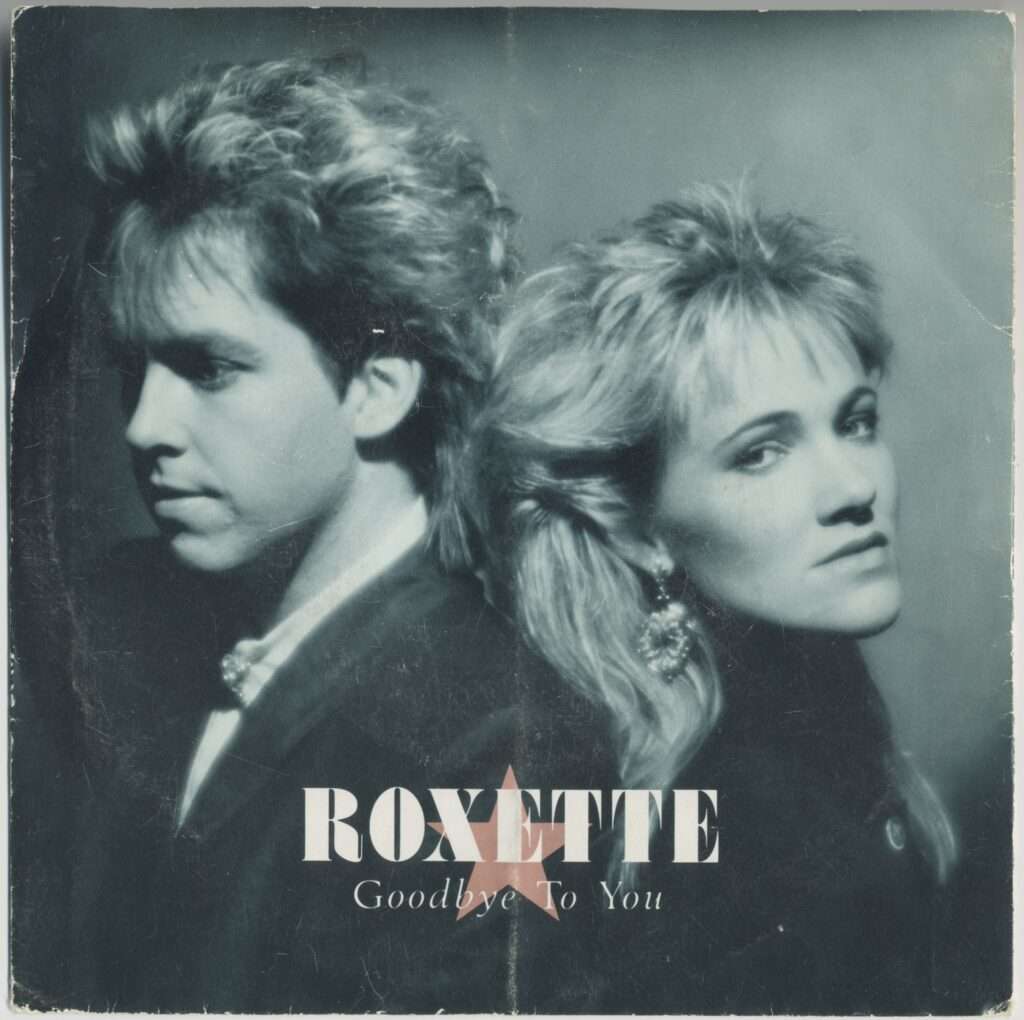
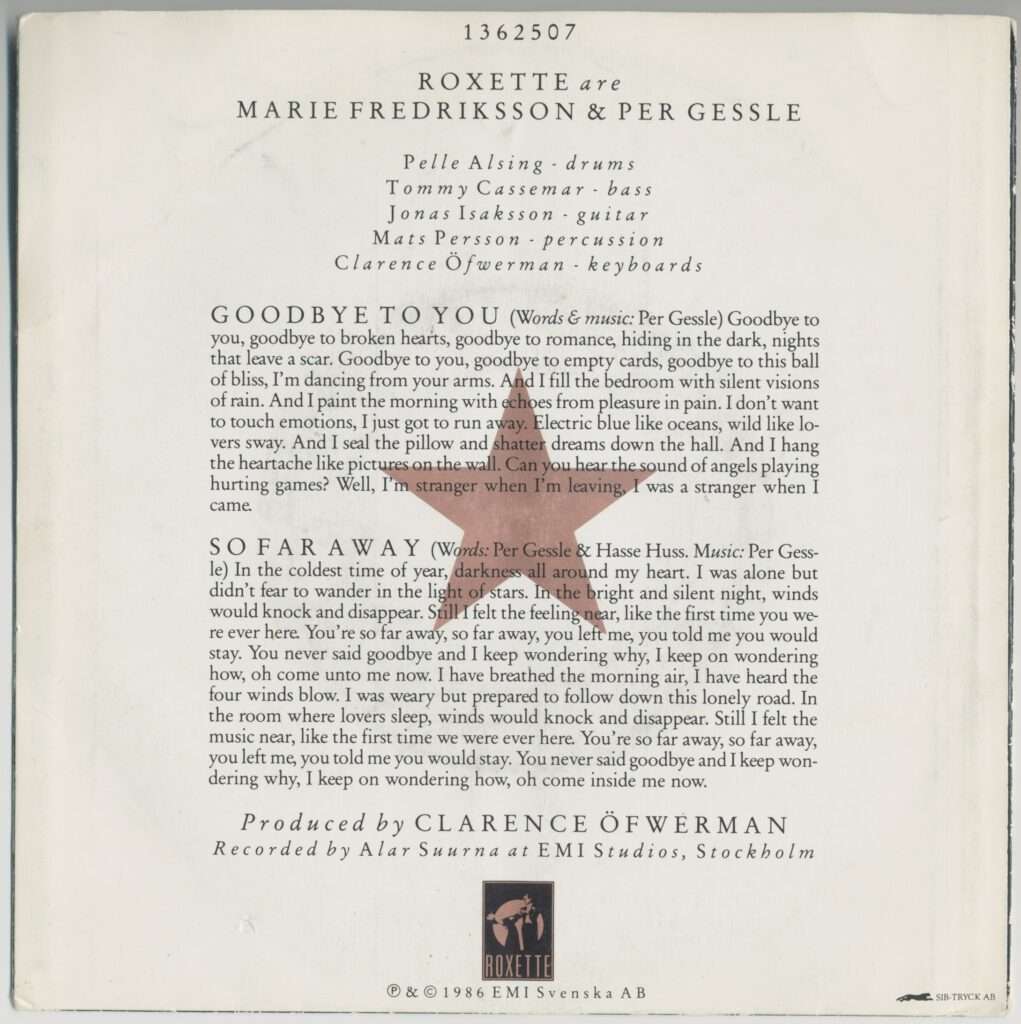
The sleeve art, captured by Carl Bengtsson, showed Per and Marie Fredriksson posed back-to-back , establishing their partnership as balanced and equally prominent. Marie, the formidable, already established star in Sweden , was often depicted slightly more assertive, reflecting her role as the powerful lead vocalist. It was a visual promise of sophistication, a careful preparation for global export that was, ironically, confined strictly to a domestic release.
Six Weeks of Pop Domination
When “Goodbye to You” arrived in December 1986 , it had a critical job: prove that Roxette was sustainable beyond their initial breakthrough single. The song fulfilled that role admirably, especially on the influential Swedish radio charts. Though confined solely to Sweden, the track spent six weeks at Trackslistan during the shift from 1986 to 1987, peaking at number 3. This longevity meant the song bookended the year-end lists: it finished as the 66th most popular track of 1986 and returned the following year to place at number 97 for 1987. The fact that a single, released late in the year, could hold its ground on the radio for so long and feature on two consecutive annual charts speaks volumes about the track’s steady, widespread airplay.
The Sound of Halmstad Ambition
The song itself is rooted in Gessle’s persistence. Before Roxette was an English-language project, it was a strategic salvage operation aimed at restoring Gessle’s commercial success. “Goodbye to You” actually originated as a Swedish song titled “Farväl till dig,” intended for a solo album that was shelved due to commercial disappointment. Gessle simply translated and repurposed his material.
The final studio version, recorded efficiently in Stockholm with producer Clarence Öfwerman , utilized the structure that would become their signature: Gessle handling the introspective verses and Marie delivering the powerful, soaring choruses. The lyrics explore the necessary finality of a breakup, using imagery that feels deeply personal, like sealing a pillow or hanging heartache like pictures on a wall. Crucially, Öfwerman insisted on an “organic sound” using a live session band , subtly steering the track away from the purely programmed synths of the era, laying the sonic foundation that would later translate to international success.
“Goodbye to you, goodbye to broken hearts / Goodbye to romance hiding in the dark / Nights that leave a scar”
A Local Secret That Still Shines
The defining curiosity of the “Goodbye to You” era lies in its deliberate lack of global promotion. Despite achieving Top 10 domestic success, EMI Svenska AB made the financial decision not to create a music video. In the mid-80s, without a video, a song could not effectively break into the global market. This choice confirms the conservative, domestic-only strategy that governed the project in 1986.
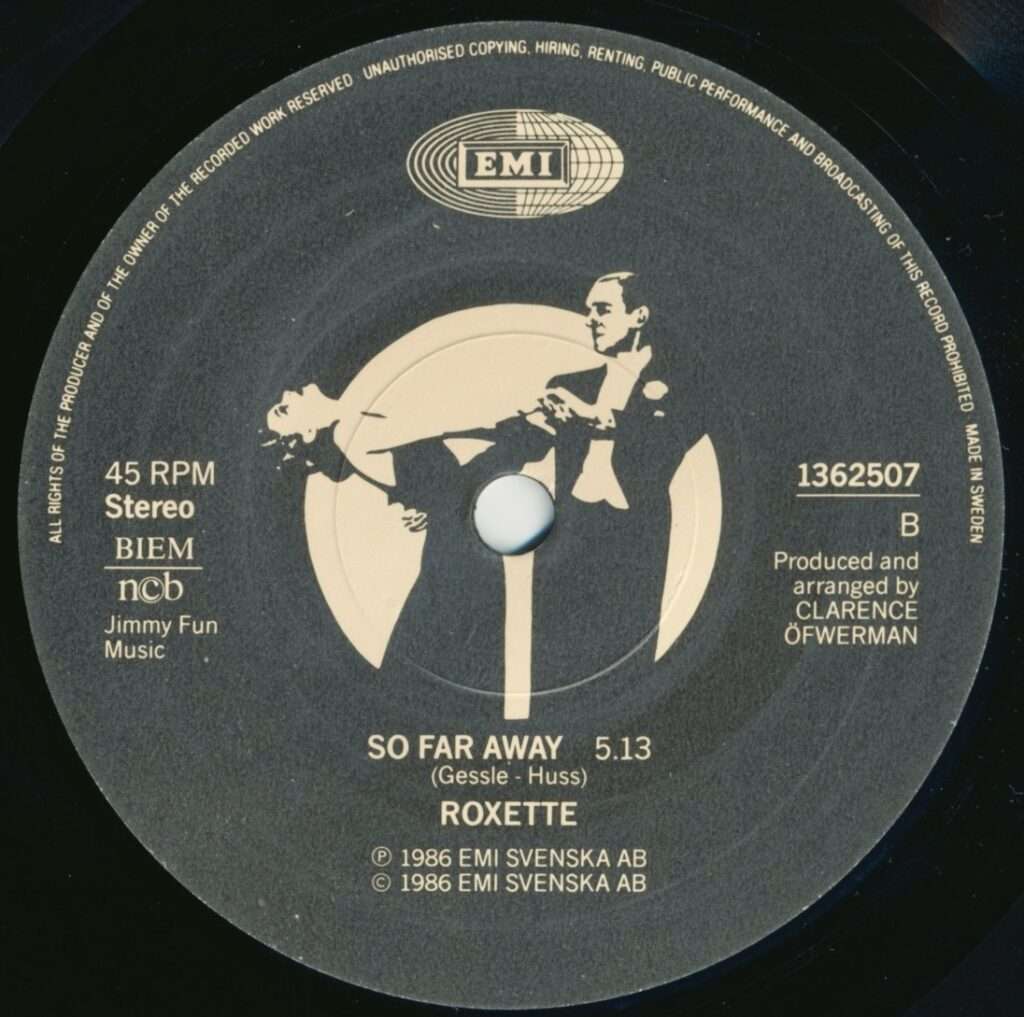
Yet, tucked away on the B-side of this Swedish-only single was “So Far Away”. This B-side had lyrics co-written by Hasse Huss , a respected figure who had a subtle link to the international scene through his work that was recorded by Cyndi Lauper. Six years later, when Roxette was a multinational phenomenon touring the world , they re-recorded “So Far Away”. They didn’t revisit a global hit; they revisited this forgotten B-side. The 1992 version was recorded spontaneously, “live in room 603” of a hotel in Buenos Aires. This transformation—from a controlled Stockholm studio session in 1986 to an improvised hotel room during a global stadium tour —is the ultimate metaphor for Roxette’s journey. The forgotten track became the perfect archival marker , proving that the quality of the composition, born of domestic ambition, was always there, ready for the world to discover.
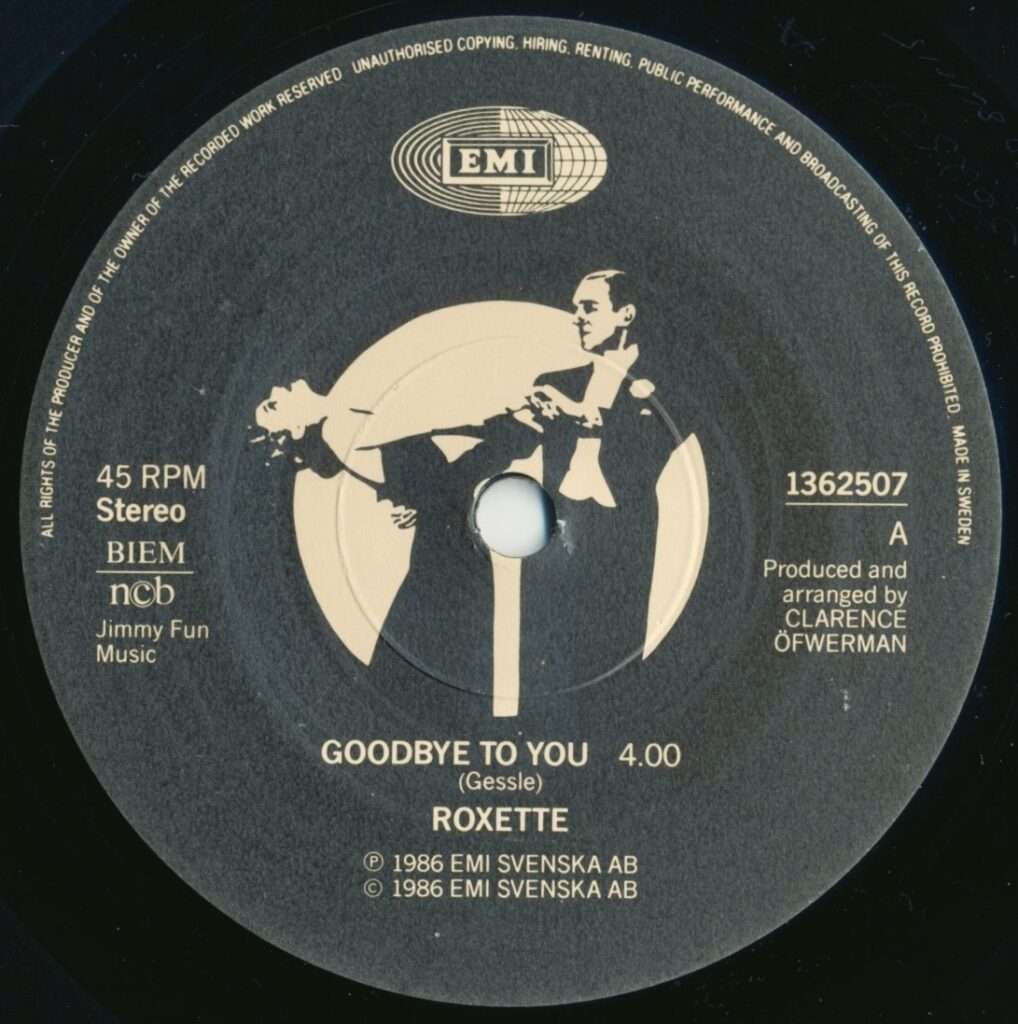
My copy: 7″, 45 RPM, Sweden, 1986, EMI
Trackslistan (Swedish radio chart): 6 weeks in 1986–1987, peaked at #3, #66 on year-end list 1986 and #97 on year-end list 1987