The Hangover, the Duet, and the Neverending Song
In 1984, the British press was still chewing over the scandal of Christopher Hamill’s—Limahl’s—sudden sacking from the wildly successful band Kajagoogoo. His previous hit, “Too Shy,” was a monster, but now he was a solo act who needed a new, defining song to prove he was more than a former boy band star. This high-stakes personal drama sets the stage for what would become a quintessential synth-pop anthem, “The NeverEnding Story”.
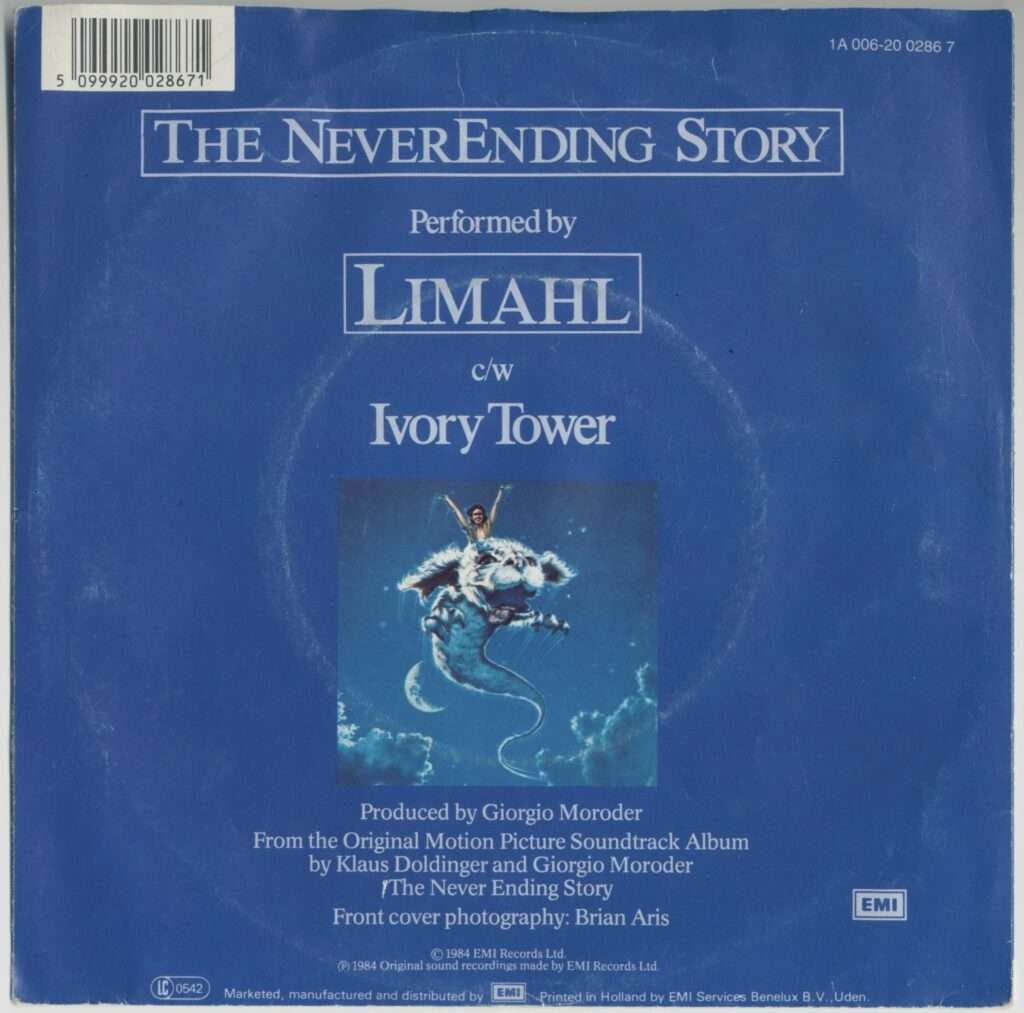
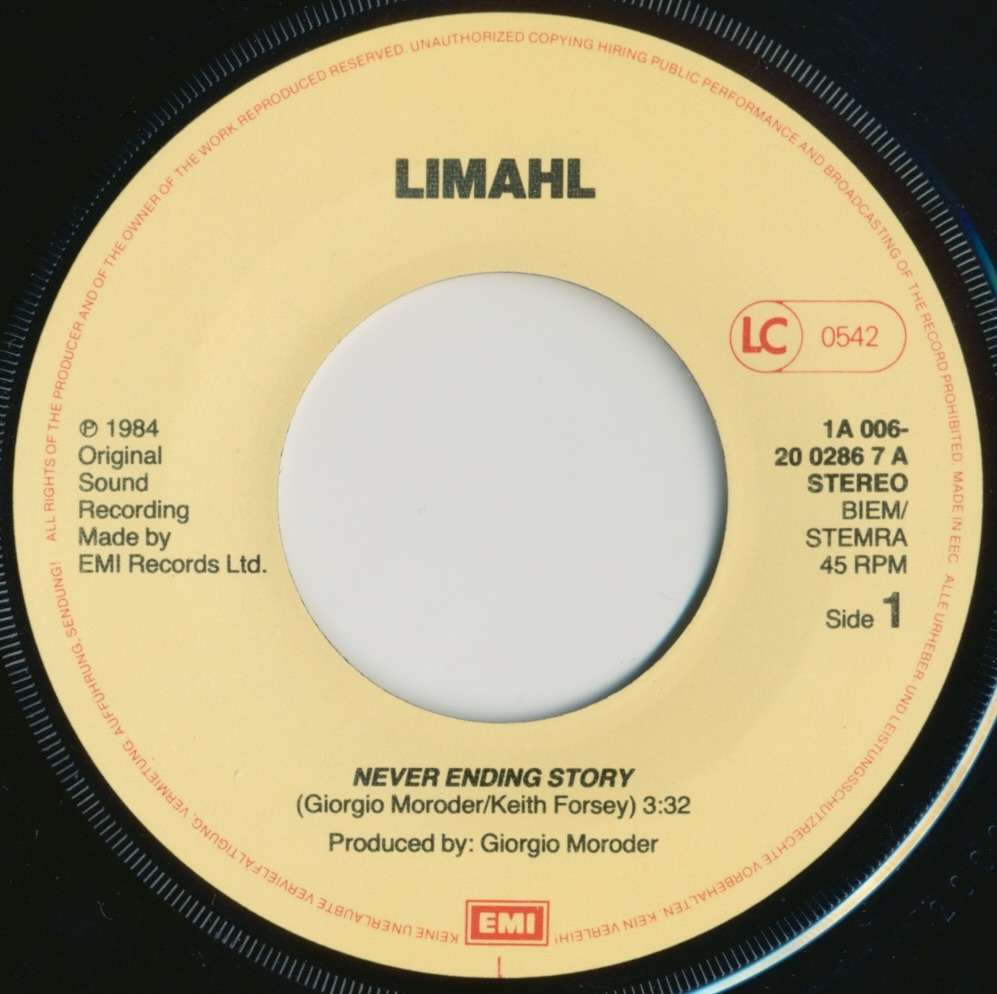

The track was a creation of pure European electronic expertise, courtesy of producer Giorgio Moroder and lyricist Keith Forsey. Moroder, known for his high-energy 80s sound, composed the soaring melody. But despite Limahl‘s prior success, Moroder insisted on an audition in Los Angeles, an insistence that Limahl admitted to finding insulting. He won the part, but the recording session for this epic movie theme brought a different kind of challenge.
A Perfect Vocal Take at 8 PM
Limahl’s journey to recording the definitive vocal take is a moment of endearing, relatable rock and roll history. He struggled during an early session with the song’s demanding, high-pitched line, a difficulty he later blamed on a hangover. Yet, with the confidence of an artist who knows his own talent, Limahl told Moroder not to worry, assuring the producer, “We’ll get it tonight, I’m really good at singing in the evening”. The definitive, polished vocal performance, which now defines the track, was successfully delivered around 8:00 PM, after some food and a few glasses of wine. This anecdote highlights that even the most meticulously engineered synth-pop track required a powerful, tailored human performance delivered under significant pressure.
The final English version of the song is, in fact, a duet, structured with a distinctive female vocal line that adds color and height to the chorus. This voice belonged to American singer Beth Andersen, who, crucially, was never credited as a featured artist on the single. To further complicate things, Andersen recorded her parts in the United States while Limahl recorded in Europe. The decision to omit Andersen’s credit was purely commercial: by focusing all promotional energy solely on Limahl, the producers simplified the track’s market identity, avoiding the logistical nightmare of promoting a duo separated by the Atlantic and the complexity of splitting the visual branding.
Deep Popularity in the Nordic Markets
Released in September 1984, the single became a global hit, landing in the top 10 in over 15 countries. But for us in Northern Europe, the track’s success was extraordinary, establishing a deep and long-lasting connection. In Sweden, the song reached a sustained level of popularity that went far beyond mere sales figures. On the public-voted radio chart, Trackslistan, “The NeverEnding Story” was a favorite for 10 weeks, peaking at number two.
“Rhymes that keep their secrets / Will unfold behind the clouds / And there upon the rainbow / Is the answer to a never-ending story”
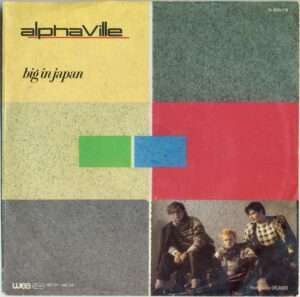
This kind of sustained, listener-driven approval confirms the song’s profound cultural penetration. It wasn’t just a fleeting sales success; the song’s high-energy, emotionally expressive synth-pop melodrama resonated so deeply that it maintained its exceptional popularity throughout the calendar year. On the Trackslistan annual ranking for 1984, Limahl’s track secured the number four position. To be ranked alongside colossal global hits like George Michael’s “Careless Whisper” and Alphaville‘s “Forever Young” and “Big In Japan” shows that the song cemented its place in the national pop consciousness of the mid-80s.
An Illusion That Lasts Forever
One of the cleverest and most conceptual aspects of the song is Moroder’s final production flourish: the double fade. The track intentionally fades in at the start and fades out at the end. This meta-textual design transforms the song into a conceptual echo of the film’s title, creating the “illusion that the song is also neverending” by suggesting the listener is simply catching a moment within an eternal musical loop. This compositional trick elevated the track beyond typical pop fare, adding an intellectual layer to its undeniable pop hook.
This ingenious structure contributes to the song’s remarkable longevity, which has ensured its active presence in modern pop culture well into the 21st century. The most dramatic example of this resurgence occurred in 2019 when the track was used in a viral scene on the Netflix series Stranger Things. The result was immediate and quantifiable: Limahl himself confirmed that the song’s monthly streams surged by a massive 667%, jumping from about 300,000 to two million streams. This single media placement instantly transformed the song from a nostalgic catalog item into a highly valuable digital asset, introducing it to a new generation and securing its financial future.
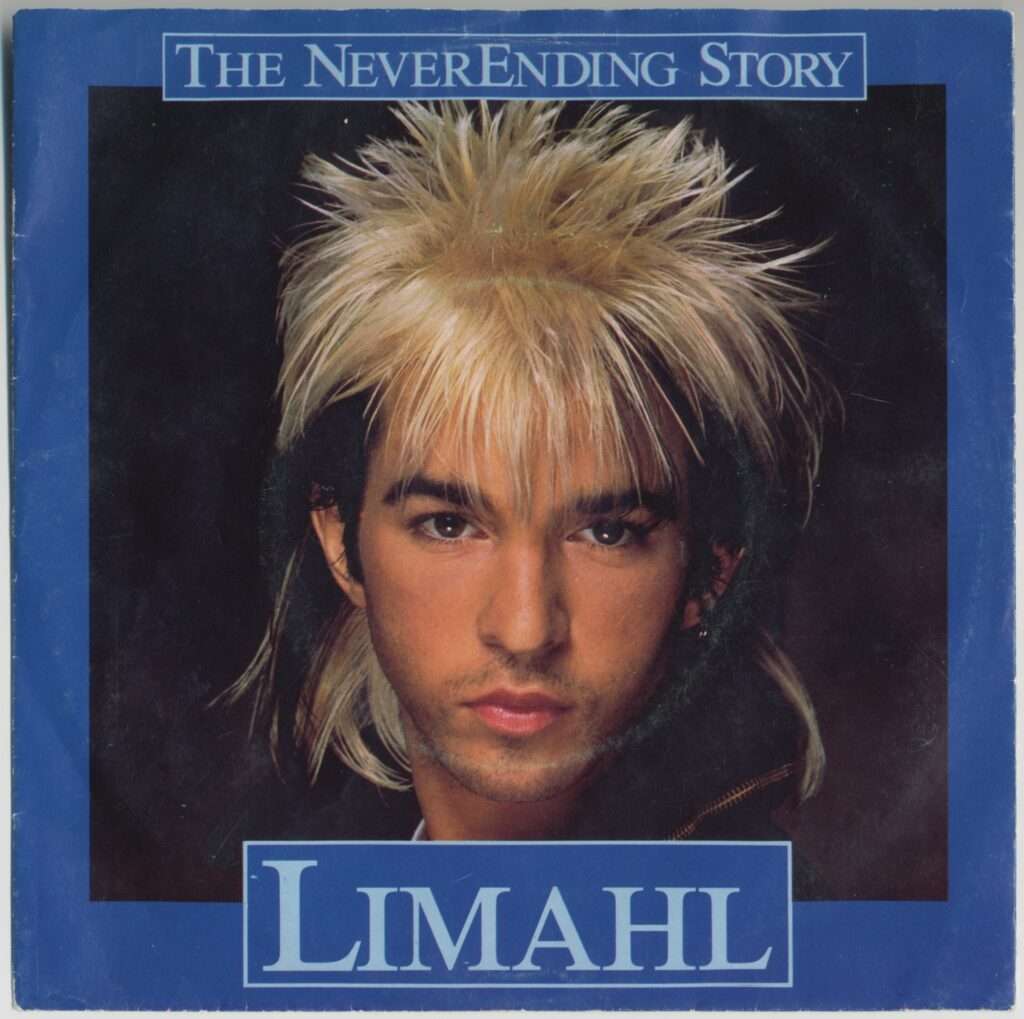
My copy: 7″, 45 RPM, Europe, 1984, EMI
Trackslistan (Swedish radio chart): 10 weeks, peaked at #2, #4 on year-end list 1984