The Bassline That Explained Everything
The first time the bassline dropped, it sounded like a perfectly tuned engine starting up on a crisp, spring morning. It had a kinetic, almost restless energy, yet the rhythm was so disciplined, so relentlessly funky. This wasn’t the gloomy synth-gloom we often wrapped ourselves in during the long, dark Nordic winters. This was the sound of California sunlight filtered through an expensive mixing desk, landing squarely on the dance floors of Stockholm and Oslo in 1987.
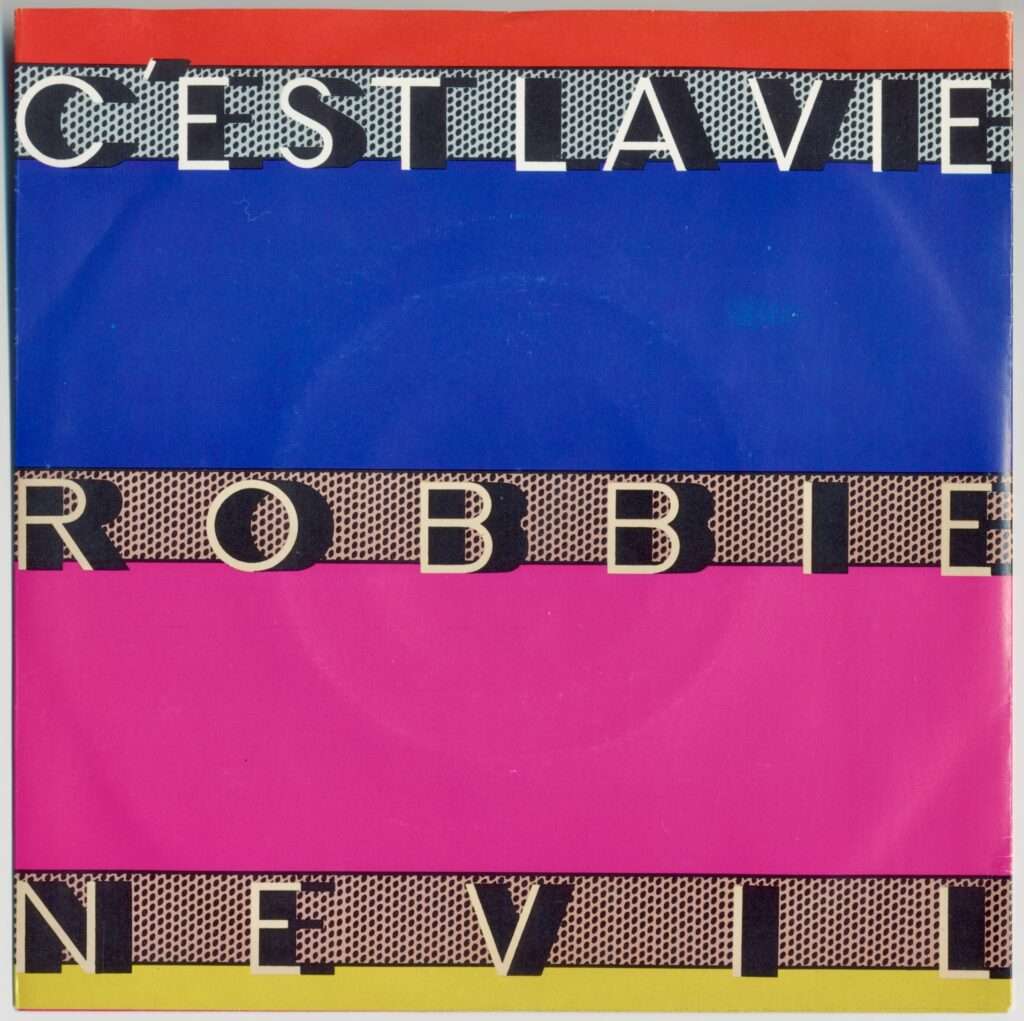
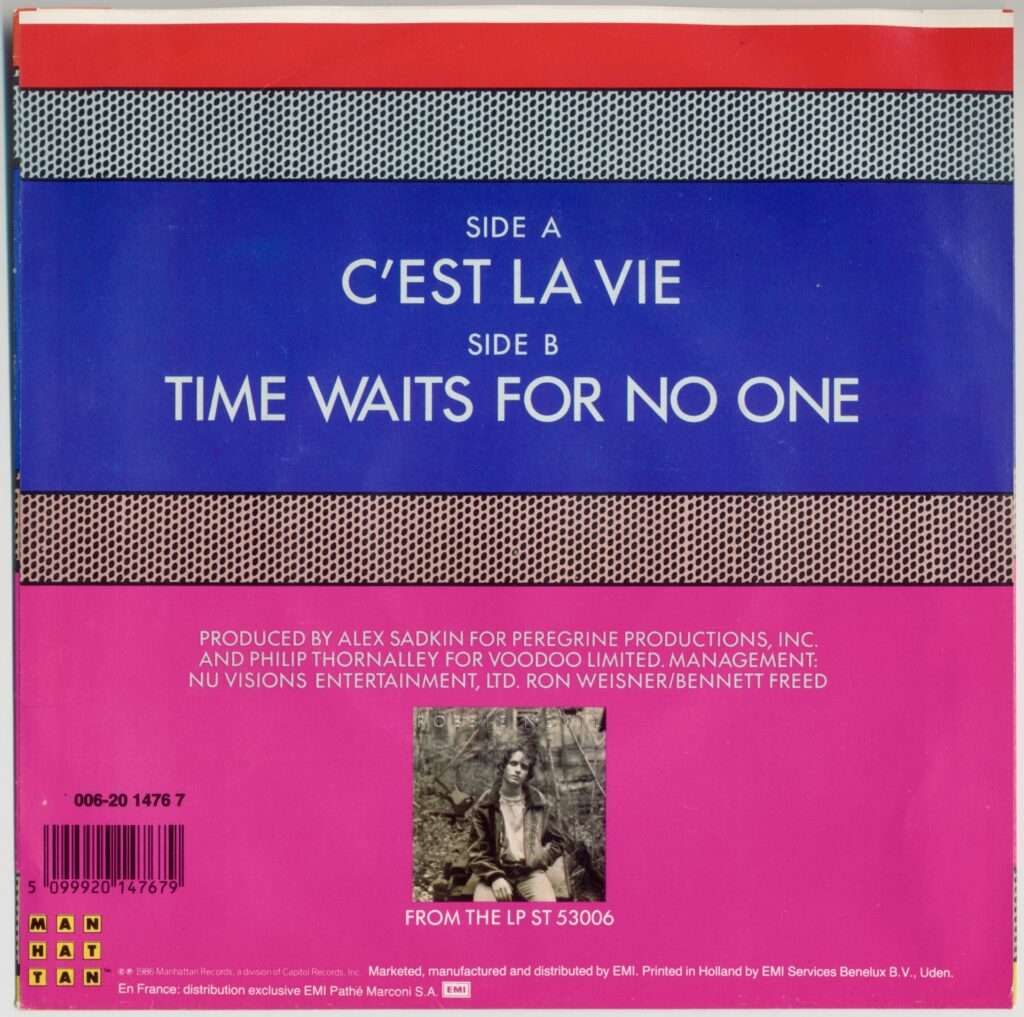
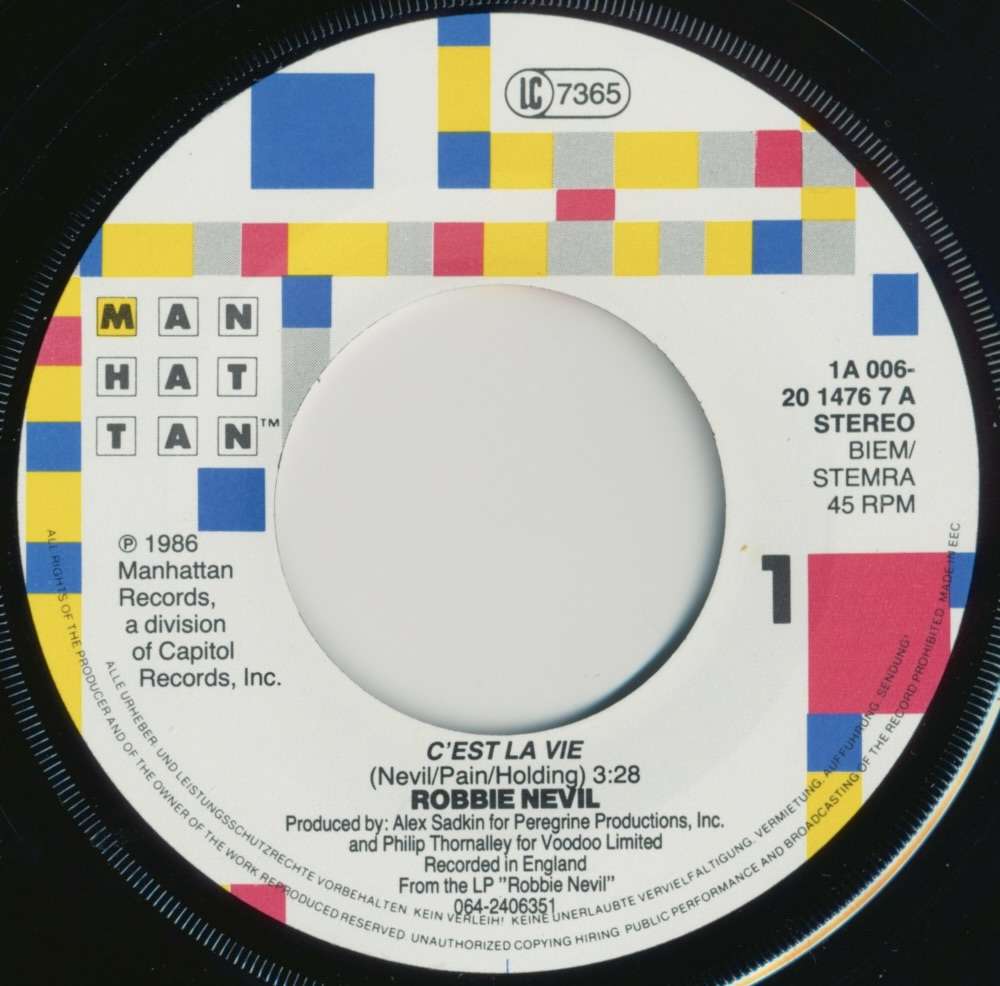
The song was “C’est la Vie,” and it introduced the world, or at least our little corner of it, to Robbie Nevil. We didn’t know much about him—he was American, he looked good, and he had delivered a debut single that seemed to distill the best parts of Prince’s groove and Hall & Oates’s slick pop sensibility, without sounding like a copy of either.
A Pop Star’s Second Chance
What makes the song so interesting, in retrospect, is its origin story. Nevil, a talented musician and writer, had spent years working on the other side of the glass, penning hits for huge acts like the Pointer Sisters. He knew how pop music was built. He knew the difference between a catchy tune and an undeniable smash.
This song itself was a second-hand idea. It had originally been pitched, and rejected, by Kool & the Gang. Knowing this detail transforms the track from a simple dance hit into something quite beautiful. It’s a song about life throwing curveballs, about missed connections and minor tragedies—a job that drains you, a lover who leaves, a car that won’t start. And yet, the song itself is a redeemed opportunity, a second chance that took a soulful, throwaway funk idea and turned it into pure pop gold.
It’s an American song that uses a French phrase—”C’est la Vie”—as its emotional anchor, making it instantly accessible across Europe. That little piece of continental fatalism is the perfect counterbalance to the track’s hyper-polished, upbeat production. The music says, “Everything is fine and perfect,” but the lyric whispers, “Ah, well, that’s just the way it goes.” That tension is why it endured.
Seven Weeks of Swedish Radio Love
In Sweden, the song didn’t just chart; it settled in. The Trackslistan chart, broadcast on Sveriges Radio, was a true measure of popular opinion, often reflecting a slightly more discerning, less purely commercial taste than some other lists. “C’est la Vie” entered that exclusive club and spent seven impressive weeks there in 1987.
It climbed all the way to number 2. It didn’t quite hit the top spot, but to be the number 15 track on the prestigious Trackslistan year-end countdown speaks volumes. This wasn’t a flash in the pan. This was the song you heard everywhere, from the city discos to the battered cassette players on summer ferries cutting through the archipelagos. It was the sound of a Northern European spring thaw—something bright, optimistic, and deeply rhythmic that made the long-gone winter feel a little less distant.
“Got a job that’s okay / But they’ve got me working night and day / Punching in, punching out / Is this really what life’s all about?”
The Acceptance of the Absurd
The true emotional core of “C’est la Vie” is its simplicity. In a decade known for its excess and bombast, this song offers a kind of sophisticated surrender. It’s not about rage against the machine; it’s about a cool, knowing nod to the everyday chaos.
When Nevil sings about getting ripped off at a restaurant or needing money for a pair of shoes, it grounds the track in reality, giving the listener permission to feel slightly overwhelmed by their own small problems. Then, the resolution: C’est la vie. That single phrase is the musical equivalent of shrugging your shoulders and walking away from a bad situation with your head held high. It turns minor misfortune into a moment of detached European cool, all while keeping the groove moving forward. It’s a perfect piece of pop storytelling that suggests the best way to handle life’s disappointments is simply to dance them off.
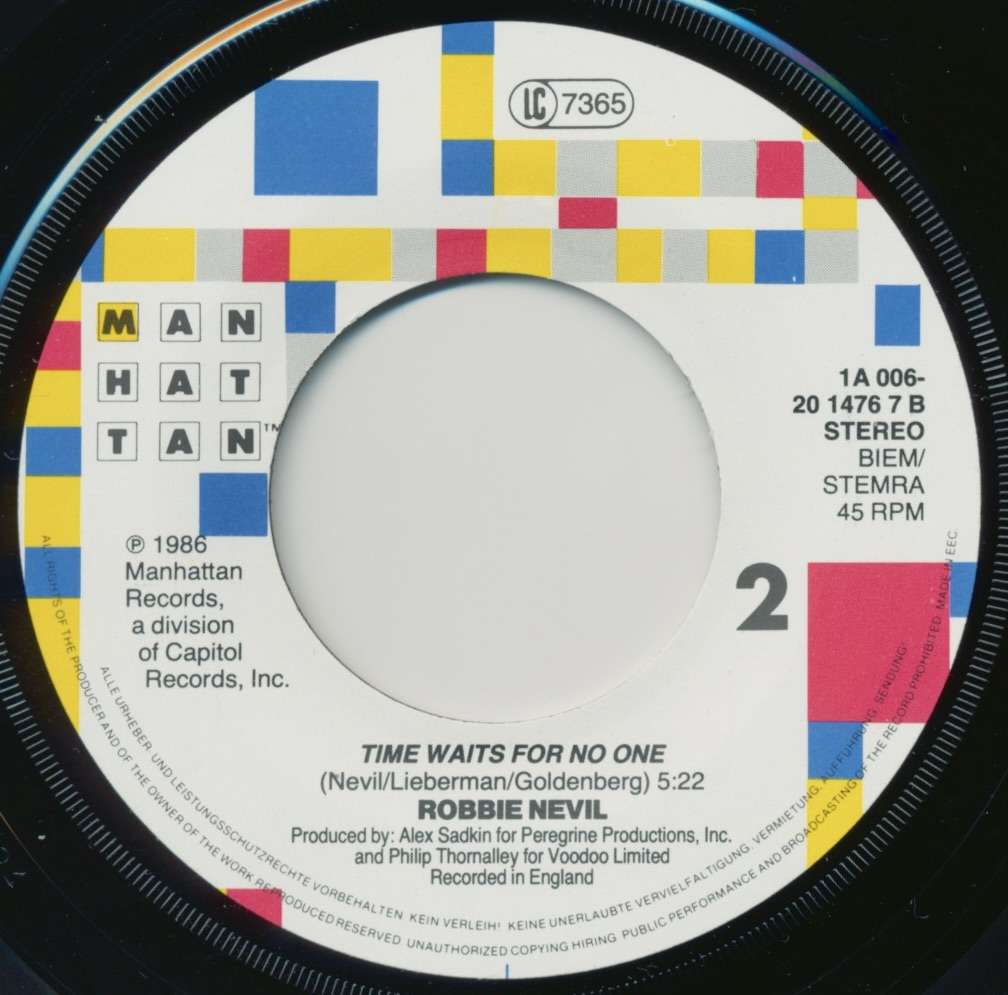
My copy: 7″, 45 RPM, Europe, 1986, Manhattan Records
Trackslistan (Swedish radio chart): 7 weeks, peaked at #2, #15 on year-end list 1987